Summer Food Course Photos 2010

Summer Food Course Photos 2011

Summer Food Course Photos 2012

Welcome to this site, all interested in resilient farming!

Welcome to this site, all interested in resilient farming!

The postings most appropriate for you have the label, "Resilient Farms."


Sunday, June 5, 2011

Resilient Farms -- Today, for The Herald


More Food for Thought

Agroecology class, in the field with farmers, and specialists


At Randy Honcoop's berry operation
With Steve Groen
With WSU's Colleen Burrows


With Brian Kerkvliet

Also, teaching each other, in the classroom (amidst, literally, buckets of food)


Teaching double-digging techniques (not to scale!)

Feta cheese (with fresh goat's milk)

Although the WCC-sponsored cheese-making class was quite lovely several weeks ago -- I find this well-known website also quite good .... http://biology.clc.uc.edu/fankhauser/cheese/cheese.html
I find that one gallon of high-quality milk makes almost 2 pounds of cheese 
Checking that the whey has started to separate (after heated- and rennet-treated- milk has settled overnight)

Checking for the "clean-break" in the morning

Cutting curds


Preparing for 2-4 hours of settling, final separation of whey from curds


Home-made press, overnight settling

Final cutting of curd
Fresh feta placed in the brine (made from whey) for several days of "pickling"


FOOD -- planned, slow, delicious


Garden planning, farm planning is a focus of our agroecology work, bearing in mind physiography and other constraints. Here, planning discussion in progress.

Our food system: where everything has a price and nothing has value -- except.....with value-ful food providers here such as Ciao Thyme -- is it possible to provide such Slow food for 100 young musicians (as at Summer Sounds summer camp). Yes. And also for our resilient farms workshop farmer-participants as well.


Slow Food class to Italy, University of Gastronomic Sciences


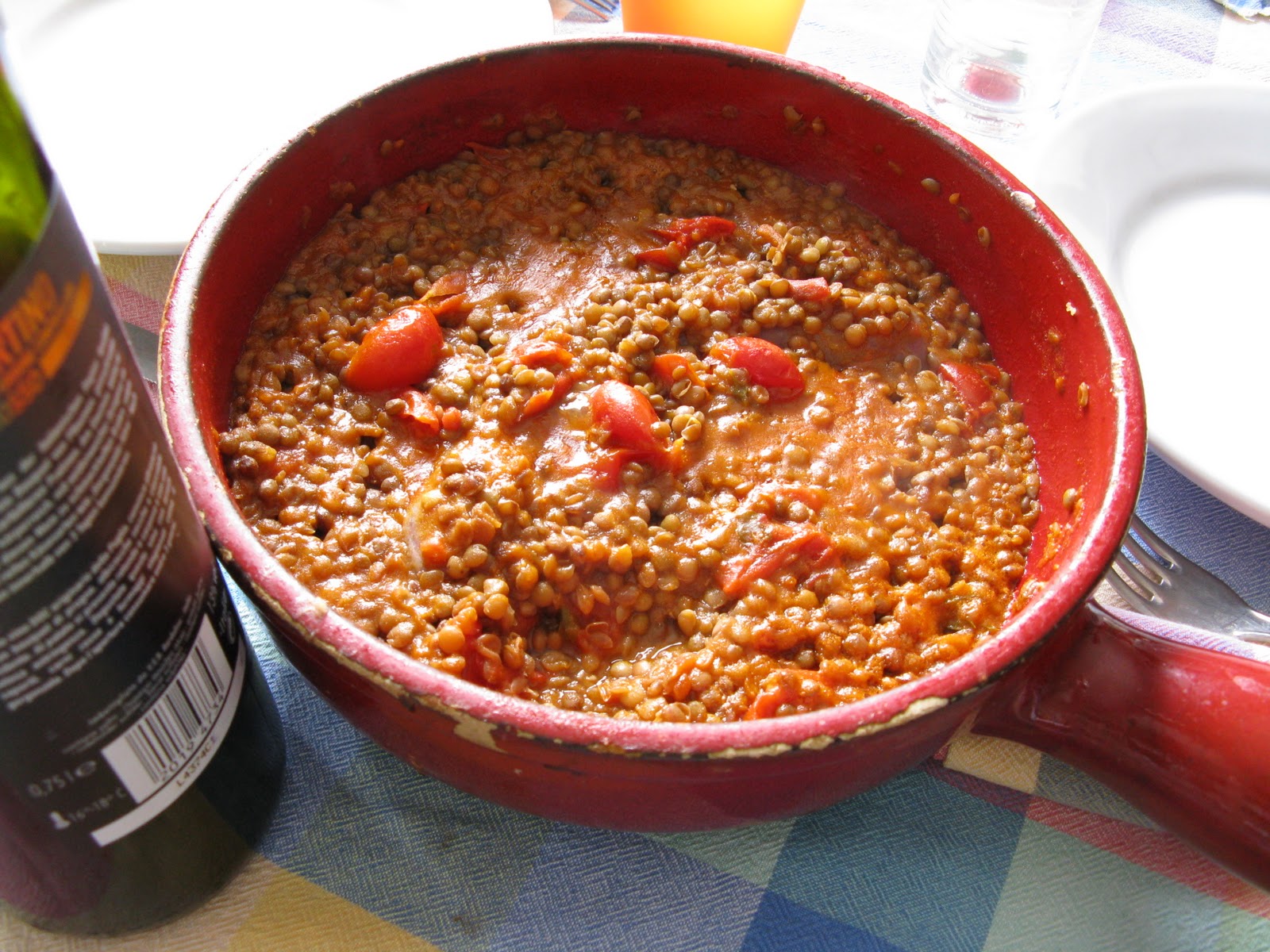
Locally-produced lentils, sausage, tomatoes (unbranded)


 and with the Demeter labelling...........


.

Friday, May 13, 2011

Resilience in the San Juan Islands (May 6-8, 2011)


A glorious field trip this past weekend for the WWU/Huxley agroecology practicum course! Thanks to our farmer-partners for making this happen! And a special thanks to our cooks! 
At the Bullock Brothers' Homestead on Orcas


Thick planting of peas


Comfrey (bio-accumalator) and color-spot tulips

Grafting.....with unlikely companions


Onto Rhonda Barbieri's La Campesina project (Orcas)


OLR -- first certified raw milk dairy in Washington state (Shaw)


Cheese-making


Onto some wetlands study.....


And, Lopez Island -- S & S Homestead (Henning Sehmsdorf), studying pasture management using rotational grazing and.....studies in fermentation (and fine dining).

Sunday, May 1, 2011

Beltane, May sun, Ray Bradbury

Today is the first day of Celtic summer, and it was celebrated with Maypole Dancing and good music. It's also a good time to make Dandelion Wine -- the spring tonic of choice for those of legal age and sound mind.

I'm often asked for my recipe, which I've used for many years -- some of my wine is decades old now.

1 qt blossoms, stems removed
4 qt water
1 pkg dried yeast
1/2 c warm water
1 lb seedless raisins (or local fruit)
3 lb or 6 c sweetener
1 lemon and 1 orange (or local tart fruit), cut into small pieces

Pick dandelions and parboil for 30 minutes. Strain and let cool. Dissolve yeast in warm water and add to liquid, together with other ingredients. Let stand for 2 weeks and stir every day. Cover, but not tightly. Strain through cheesecloth several times until clear. Bottle; put corks on loosley.

When uncorking it, think of the spring/summer day in which you made it (this is Ray Bradbury's contribution, author of Dandelion Wine). 
Made today with full dandelions at their peak

2-week old wine made with young dandelions, now ready for straining and bottling

Potting and re-potting plants

It's a warm May Day and spring is finally here, even though summer is officially beginning (for all those Celts out there). Use the most robust medium for repotting any starts still too immature for outside.

Today I stirred some barrel compost (from Inspiration Farm) and celebrated warmer days. I used the spray on my starts as well as established plants.